How to Stand Out as a Newcomer - Estonian Startup Awards 2025
Käthe-Riin Tull
Co-Founder of TalentHub
Every year, the Estonian Startup Awards honor both The Founder of the Year and The Newcomer of the Year. These categories celebrate founders who excel not only in their products but also in building strong teams. Founder of the Year award typically goes to leaders of established companies, while Newcomer of the Year is for those just getting started, often with only a small team.
Looking back at the last six years tells a clear story:
Founder of the Year
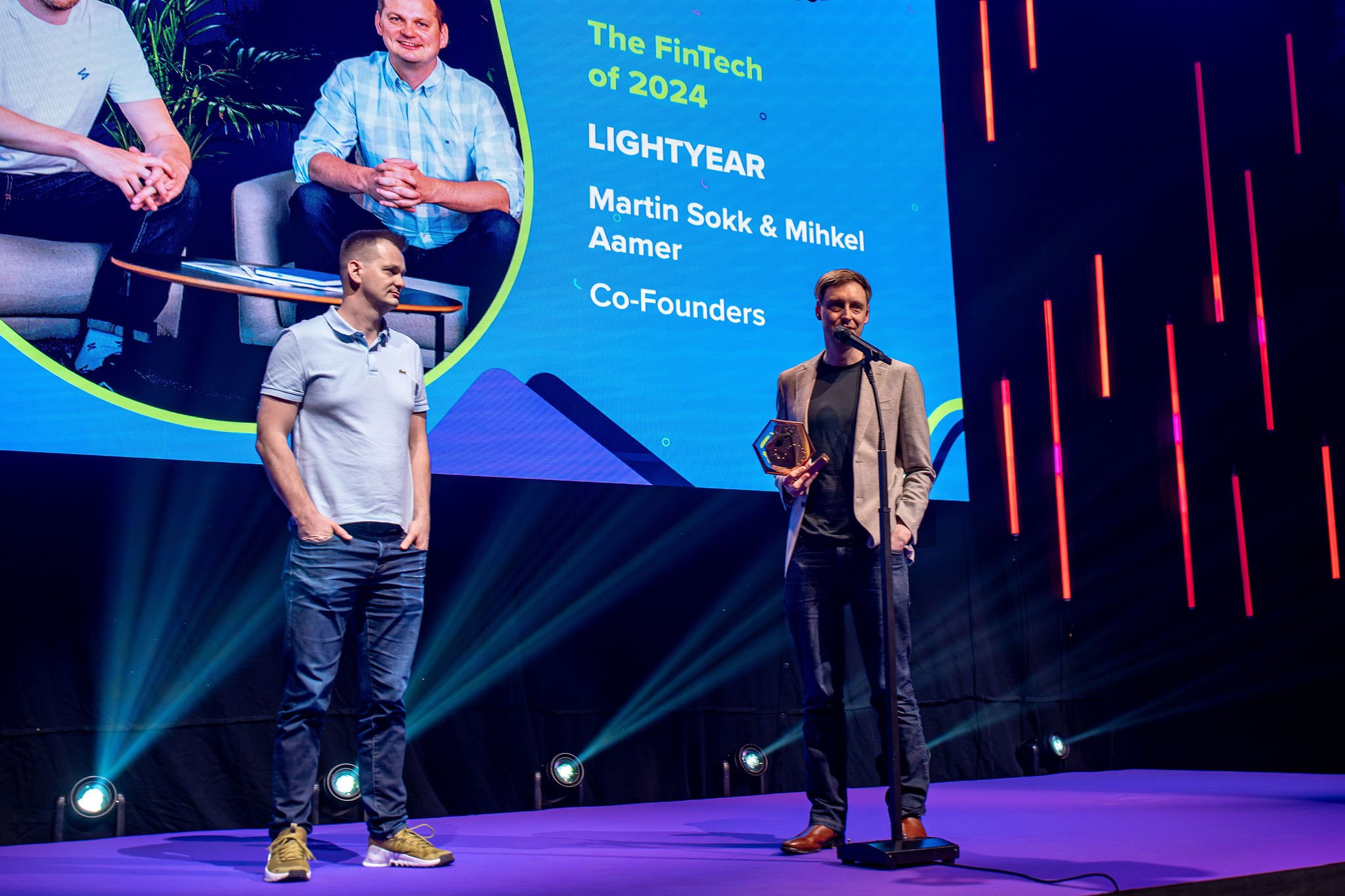
2024: Martin Sokk & Mihkel Aamer (Lightyear)
2023: Martin Kõiva & Kair Käsper (Klaus)
2022: Timmu Tõke (ReadyPlayerMe)
2021: Markus Villig (Bolt)
2020: Timo Rein, Martin Tajur, Martin Henk, Urmas Purde, Ragnar Sass (Pipedrive)
2019: Kaarel Kotkas (Veriff)
Newcomer of the Year
2024: Frankenburg Technologies — DefenceTech
2023: VOOL — GreenTech
2022: Koos — Fintech / Community Tech
2021: Lightyear — Fintech
2020: Woola — GreenTech
2019: Salv
Despite coming from different industries, these companies have built magnetic teams early — and it shows. Whether it's FinTech, GreenTech, or the latest wave of DefenceTech, the patterns behind standout newcomers go beyond the sector.
Over the past six years building TalentHub, we’ve worked with hundreds of founders in pre-seed, seed, and Series A stages. And the most successful newcomers share a very repeatable set of traits. We are passionate about helping those newcomers succeed, and hence we’re partnering up with Estonian Startup Awards in 2025 to help the lessons and know-how spread further and wider.
This article is not about winning awards. It’s about building a team strong enough to earn that reputation naturally. Let’s break down what the best newcomers consistently do right.
1. They Make the Mission Personal — and Real
Every startup says their mission matters. But only a few founders can articulate one that actually sticks.
A mission resonates only when it’s rooted in a human story.
Some founders tell stories that feel manufactured — polished but hollow. The real standouts speak from lived experience, obsession, and clarity.
A strong example is Woola. From the beginning, Woola didn’t just talk about sustainability — they proved it by showing why it mattered to them personally and how waste in the wool industry sparked their idea. If you read their blog, you’ll see a consistent tone: honest, humble, educational, and deeply mission-driven.
Woola is not telling a story for the sake of branding — they’re telling it because it’s who they are. And you can feel it. The narrative doesn’t depend on marketing or PR; it comes through in the founders' voice, the product development updates, the tone of their content, and the values everyone on the team can clearly articulate.
This level of clarity doesn’t come from a branding exercise.
It comes from founders who live the mission first, then communicate it.
When the mission is that authentic, the team naturally adopts it — and candidates feel it instantly.
Tip for founders:
Before you talk about your mission externally, talk about it internally — until every team member can feel it, repeat it, and genuinely believe in it. Mission is not a slogan. It’s a shared identity.
2. They Don’t Wait Until Hiring to Build Their Brand
Founders who think "we’ll start talking when we need to hire" are already too late.
The best newcomers — Lightyear and Koos— had something in common long before they posted job openings:
A community around them
A visible founder
A pipeline of people who already wanted to work with them
As a recruiter, I saw this firsthand when helping Taavi Kotka with the Head of Community role for Koos.
We didn’t need to "sell" the role. Taavi’s personal brand had done the hard work.
He was writing, speaking, podcasting, sharing, teaching. Working with him was the value proposition.
Founders with strong personal brands reduce the friction in every hiring process. They attract talent before they need it.
Tip for founders:
Visibility is not vanity. Visibility is a hiring strategy.
3. They Understand the Reality of Remote vs. Office Work
Startup work culture has shifted more in the last five years than in the previous twenty:
we started with office-first
moved to fully remote
and many early-stage teams are now going office-first again for speed and alignment
For very early teams, co-location makes sense. Learning is faster. Feedback loops are shorter. Culture forms naturally. Companies like Sera Leads are a great example — speed and intensity are much easier when you sit around the same table.
But growth changes things.
Once a company reaches around 20–50 employees, sticking to a hyper-local hiring strategy becomes unrealistic. At that stage, you need specialists, niche skills, and experience that might not exist nearby.
You simply cannot solve long-term talent shortages within a 5 km radius.
Remote and hybrid hiring will eventually appear on every founder’s table — the question is whether you’re ready when it happens.
Tip for founders:
Choose the setup that matches your stage, but don’t let it limit who you can hire. You can be office-first and still think globally.
4. They Hire Exceptional People, and Know How to Budget for Them
Great founders don’t hire to fill a seat. They hire to move the company forward.
Talent is an investment, not an expense — and exceptional founders treat it that way. One of the clearest examples here is Pactum. Their hiring philosophy has been consistent for years:
they know exactly what seniority they need at every stage
they don’t try to cut corners by hiring too junior too early
they plan their hiring needs together with their fundraising strategy
The opposite pattern is painful but common: founders overpay for the wrong role or avoid paying for the right one. And the cost of a bad hire can set back a roadmap by months — something early teams simply can’t afford.
Tip for founders:
Understand when you need a junior, when you need a specialist, and when you need a senior operator. Plan this before fundraising, not after.
5. They Think Beyond Their Local Talent Pool
You can’t build a global company with a purely local team.
Outstanding newcomers ask:
Do we have the needed expertise locally?
If not, where should we hire from?
What capabilities justify relocation vs. remote?
How does this align with our fundraising and roadmap?
When expanding, Arbonics didn’t assume local knowledge was enough. They brought in local experts in new markets, ensuring they understood regulations, nuances, and cultural context.
Tip for founders:
World-class talent isn’t always in your city. Sometimes the person who can take you to the next level is two borders away.
So What Makes a Newcomer Truly Outstanding?
It’s not the innovation alone.
It’s not the funding.
It’s not the PR, nor the award.
It’s the founder’s ability to attract, align, and empower exceptional people early.
When we look at the last five years of Newcomer winners, the pattern is undeniable:
They tell a mission-driven story rooted in truth
They build their personal brand before they need talent
They understand modern work models and adapt fast
They hire intentionally and budget wisely
They scale beyond the limitations of geography
These aren’t "nice to have" qualities. They’re the foundation of every winning team.
And if there’s something we’ve learned after working with hundreds of early-stage companies at TalentHub, it is this:
Awards recognize success. But outstanding founders build the kind of teams that make awards inevitable.
In 2025, TalentHub - led by Käthe-Riin Tull and Reet Kaurit - is among the official partners of Estonian Startup Awards, standing for the Newcomer of the Year category. As TalentHub is dedicated to helping fast-growing companies find the right people to hire, they’ve had the perfect vantage point to what makes an early stage startup succeed. Welcome on board!
PS. The nomination round for Estonian Startup Awards 2025 is still open - chip in and give a lift to your favourite founder!
[caption id="" align="alignnone" width="2500"]

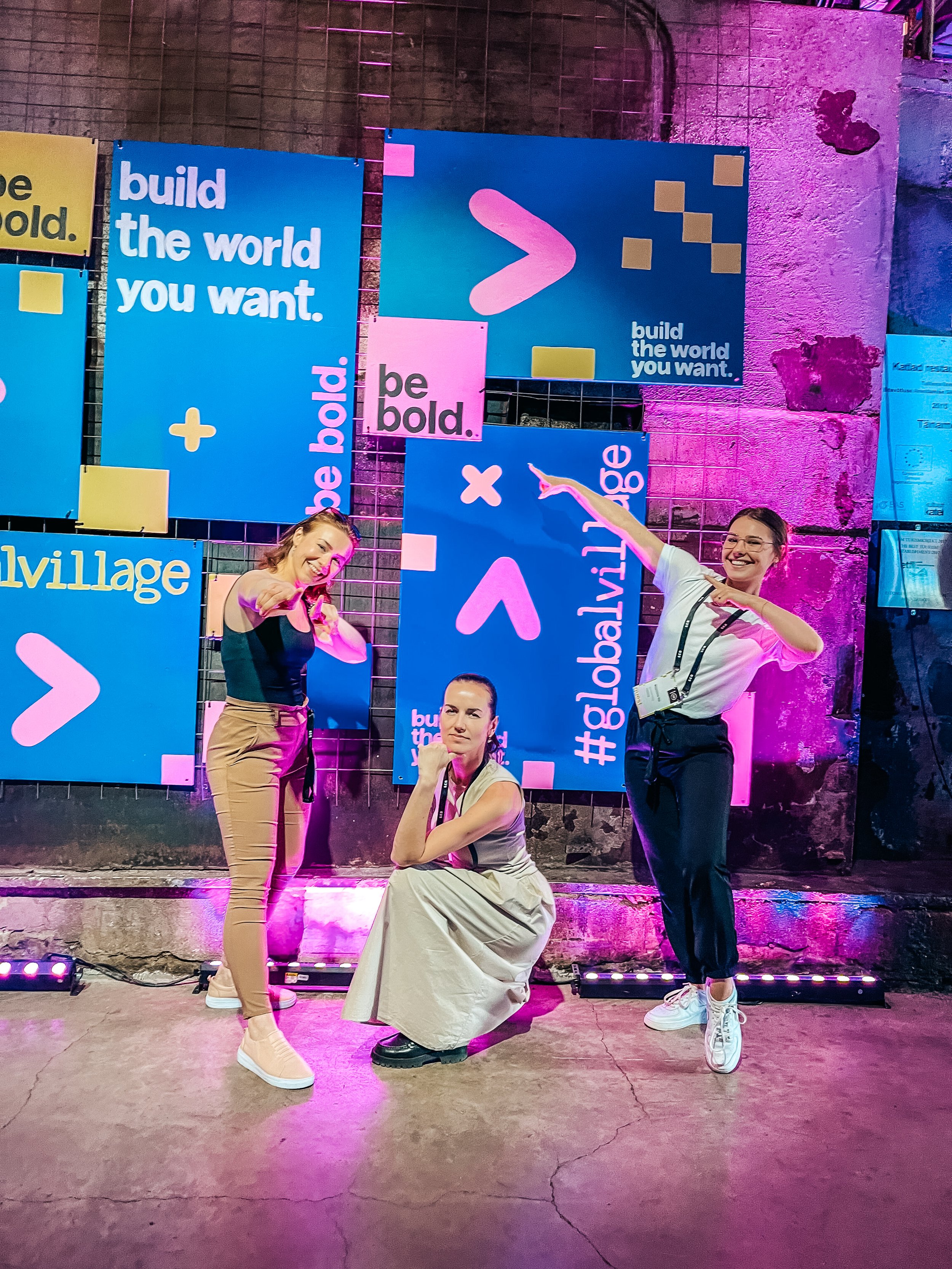
TalentHub team at Latitude59 [/caption]